
CO₂e emissions offset for 2024
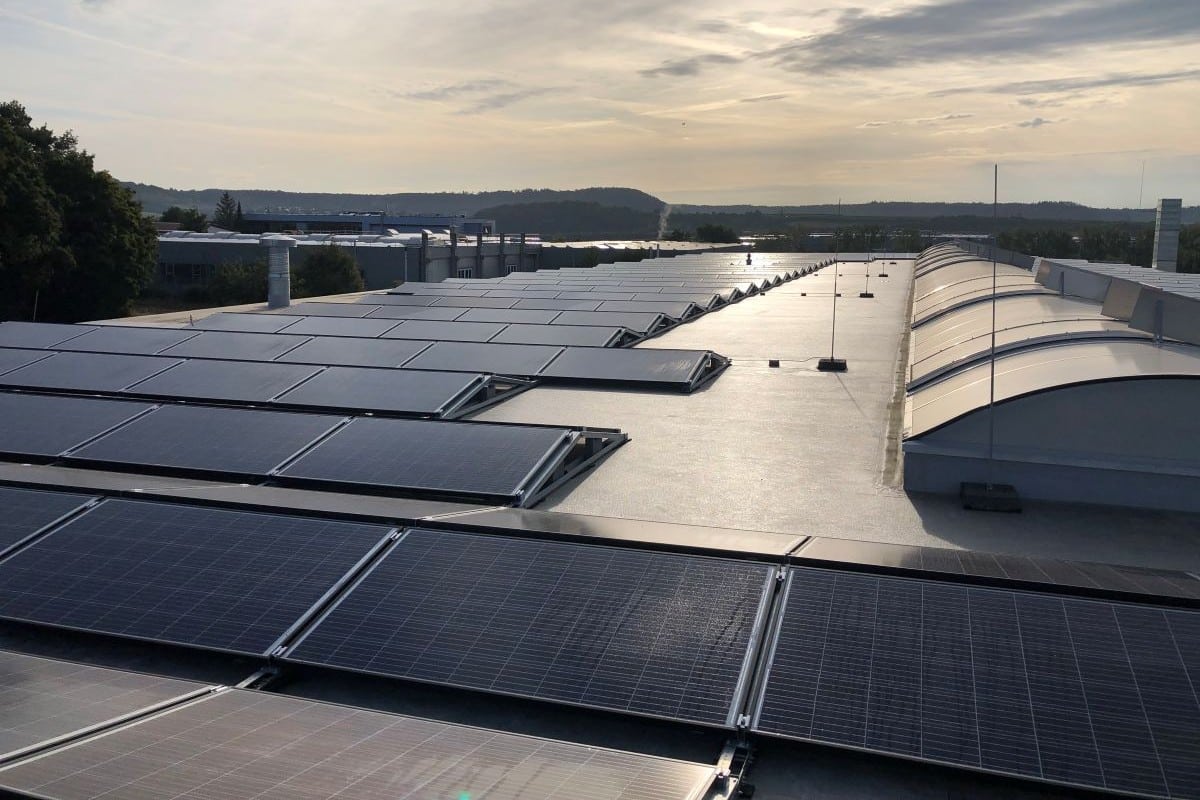
We have been calculating our carbon footprint since 2020 and have been able to steadily reduce our CO2 emissions since then. Our balance sheet takes into account both our company’s emissions (Scope 1 and 2)* and those of our duranity climbing holds. We work with natureOffice to provide transparent proof of our efforts. We offset the remaining emissions by investing in meaningful climate protection projects.
We have also prepared a corresponding carbon footprint for 2024 and offset the unavoidable emissions at the end of last year through natureOffice’s ‘Germany and Togo Plus’ compensation project.
Here we support:
- Reforestation in Germany – regional forests are strengthened and CO₂ is bound.
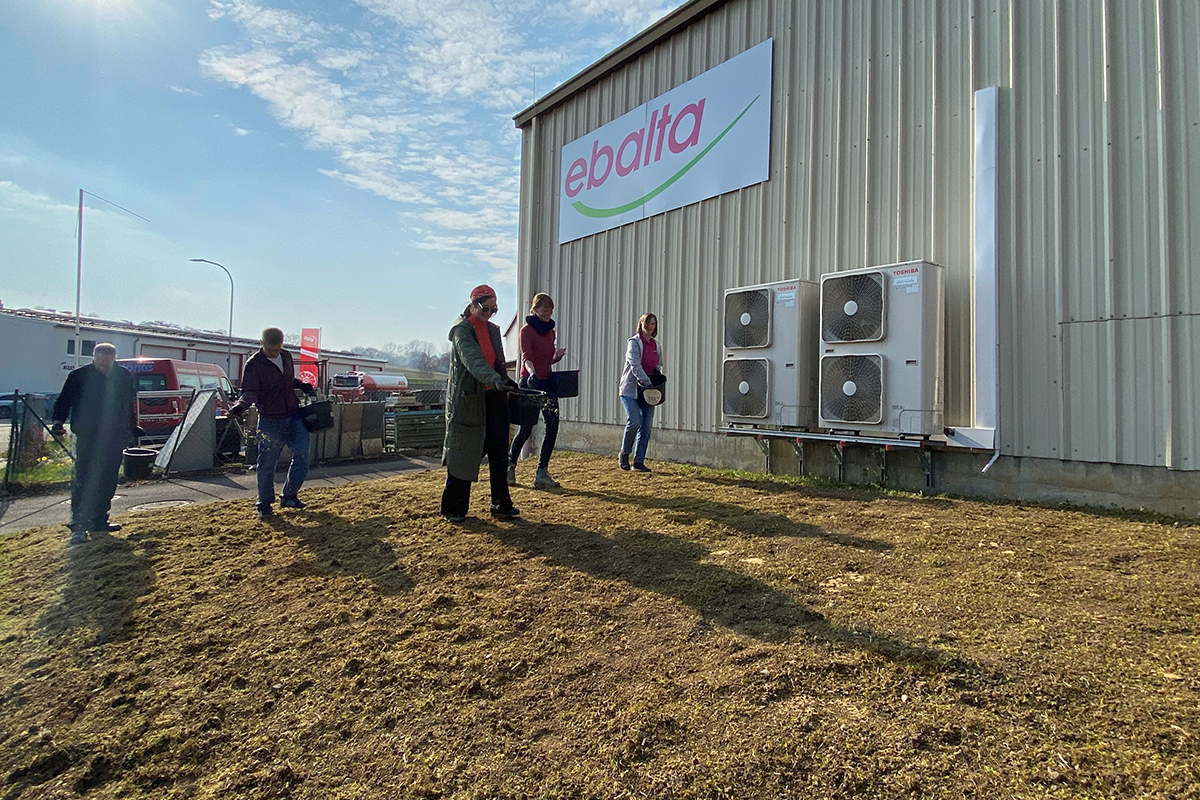
- Reforestation & development projects in Togo – soils and forests are protected, income is generated for local people, and CO₂ is bound in the long term.
- Solar energy projects in India – fossil fuel-based electricity production is replaced and CO₂ is saved.
In this way, we combine CO₂ sequestration, CO₂ avoidance, nature conservation and social effects.
Here are the results of our carbon footprint for 2024:
| Emissions offset in 2024 | Difference compared to 2023 | |
|---|---|---|
| Company | 336 t CO₂e | -25 t CO₂e |
| Casting resin duranity | 401 t CO₂e | -205 t CO₂e (~-34 %) |
The significant reduction in climbing hold materials and the improvement in our Company Carbon Footprint (CCF) compared to 2023 were made possible by:
- Switching to more environmentally friendly raw material alternatives
- Improved data quality, which allows us to manage even more precisely
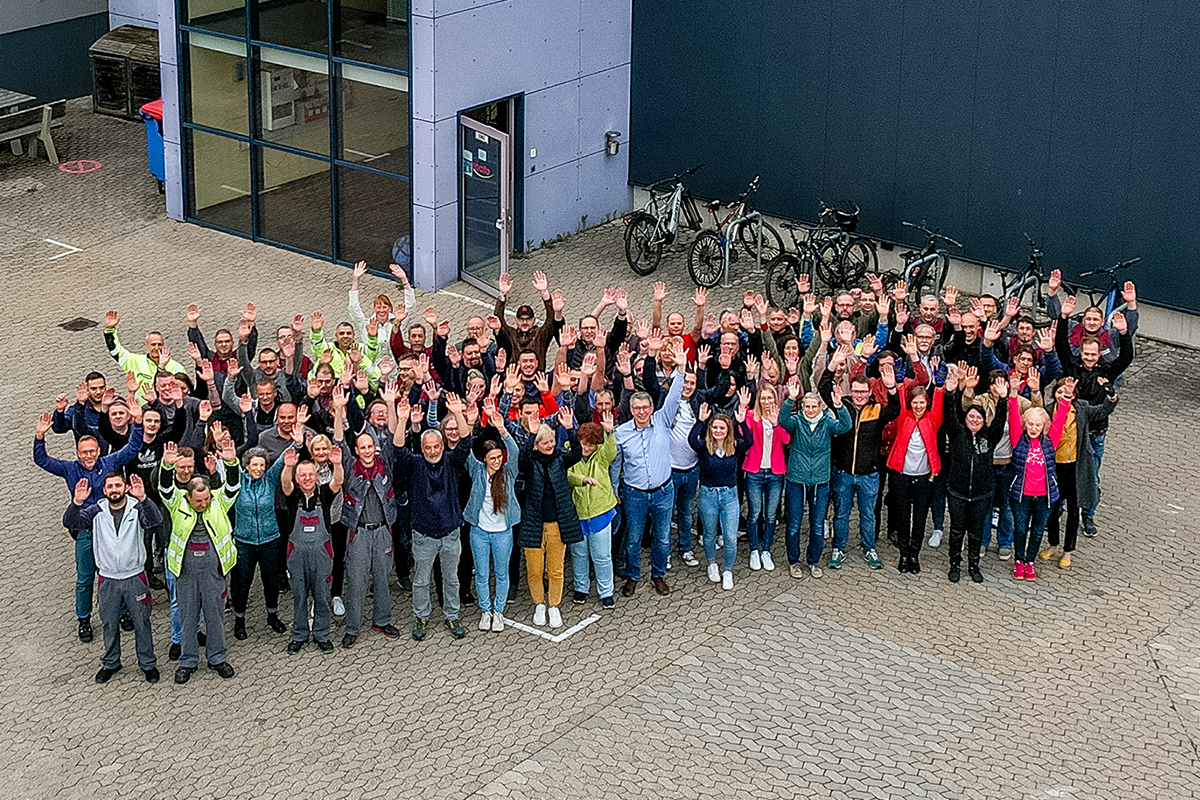
We are aware of our responsibility as a plastics manufacturing company and therefore firmly anchored the issue of sustainability in our strategy years ago. For this reason, we will continue to pursue this issue vigorously in the future, as there is still much to be done.
———————————-
* ‘Scopes’ describe the origin of greenhouse gas emissions in a carbon footprint analysis:
- Scope 1 (direct emissions): Emissions from a company’s own sources, e.g. company vehicles, boilers, production facilities.
- Scope 2 (indirect emissions from energy): Emissions from purchased energy, primarily electricity, district heating, steam or cooling.